Reusable vs. Disposable Vapes in 2026: What Adult Buyers Need to Check
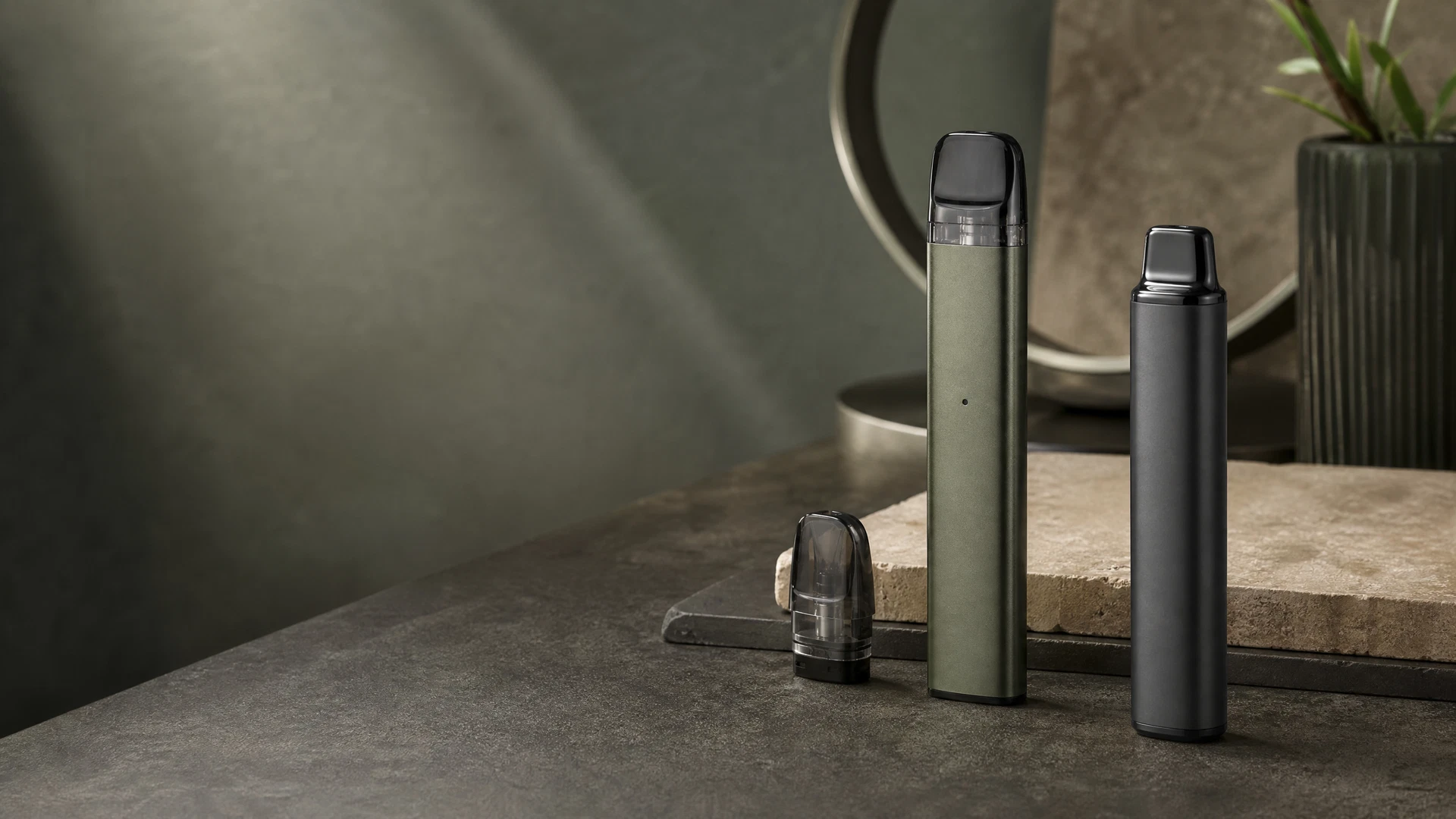
The choice is no longer just about convenience. Adults comparing vape formats should look at refill access, maintenance, local rules and end-of-life planning.
A few years ago, many adult buyers compared vape formats by asking a very simple question: which one is easier to carry? In 2026, that is only the starting point. The more useful question is whether the device fits the buyer’s local market, maintenance routine and plan for responsible disposal.
What changes with a reusable format
A reusable device is designed for more than one use cycle. Depending on the model, that can mean a rechargeable battery, a refillable reservoir, replaceable pods or a replaceable coil. The practical benefit is not that one format automatically suits everyone; it is that the buyer has more parts to understand. Before choosing one, check whether compatible refills and replacement components are genuinely available in the market where the device will be used.
Why the definition matters
Words such as reusable, rechargeable and refillable are sometimes used loosely in product listings. They are not interchangeable. In the United Kingdom, official guidance says a reusable vape must have a rechargeable battery and a refillable container, and—where a coil is present—a removable and replaceable coil. That is a UK-specific compliance definition, not a universal rule, but it is a helpful reminder to look beyond a single feature. A charging port alone does not answer every question about reusability.
Compare the everyday routine, not only the device
A single-use format may appear straightforward because there are fewer steps during use. A reusable system asks more of the owner: charging safely, sourcing compatible refills, keeping connection points clean and replacing worn components when instructed. For an adult buyer, the better option is often the one whose routine is realistic rather than aspirational. If refills are difficult to obtain or local rules are unclear, the decision deserves a second look.
Plan for the end of the product’s life
Every vape contains electronic components, and many contain lithium-ion batteries. That makes ordinary household waste the wrong default. Keep unused and spent devices away from heat and damage, then use a qualified local collection or recycling route where one is available. Retailers should also understand their own local take-back obligations before describing a disposal option to customers.
A responsible final check
For adult buyers and business purchasers alike, the most useful comparison is a checklist: Can the device be legally supplied in the target market? Are the refill or replacement parts available? Can the device be charged and stored according to the manufacturer’s instructions? Is there a responsible end-of-life route? Local requirements can change, so verify the current rules before purchase, import or sale.
Further reading: GOV.UK, “Single-use vapes ban: information for businesses.”