How to Recycle a Vape Responsibly: A Practical 2026 Checklist
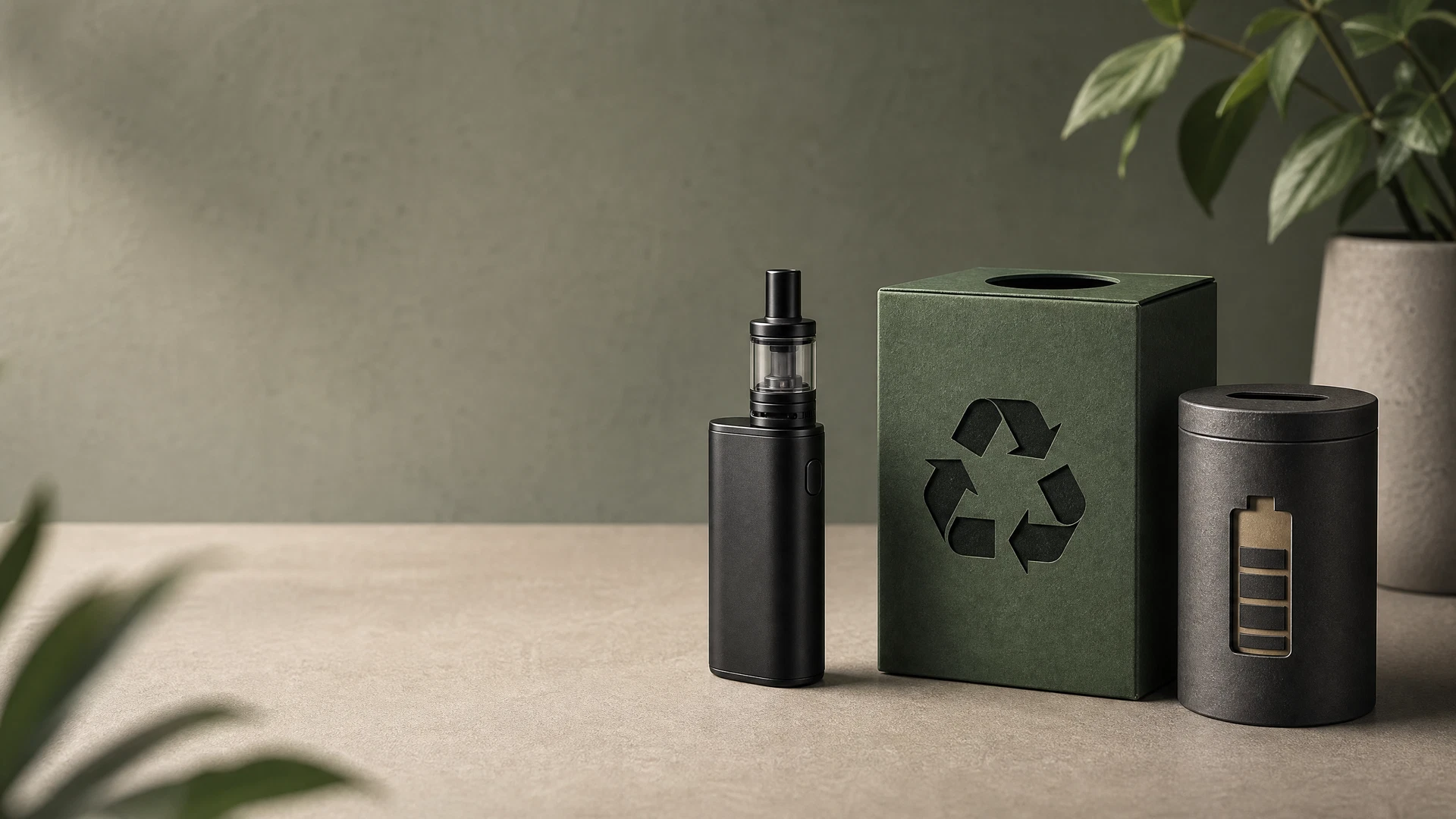
Vapes are electronic products with batteries and other components. Treating them as ordinary rubbish can create risks, so local specialist collection matters.
A vape is small enough to disappear into a household bin, but it is not ordinary household waste. Devices can contain electronic components, batteries and residual materials that need a different end-of-life route. The responsible approach is not to take a device apart at home or place it in a mixed recycling container. It is to find a local service equipped to handle it.
Start with local collection options
Look for a household hazardous-waste programme, an approved e-waste location, a battery collection point that accepts complete devices, or a retailer take-back scheme where one is available. The right option depends on the city, country and the condition of the device. A municipal website or a qualified waste provider is usually a better source than informal advice on social media.
Keep the device intact unless instructed otherwise
Do not dismantle a vape to separate the battery or rinse remaining materials out at home unless a qualified local programme specifically instructs you to do so. Consumer devices are compact and can be difficult to disassemble without damaging components. Keep the product dry, avoid crushing it and protect it from heat while you arrange disposal.
Why ordinary bins are the wrong route
The U.S. EPA advises against placing e-cigarettes or their components in household trash or recycling bins. Batteries can be damaged during collection and processing, creating a fire risk. The UK’s business guidance likewise treats vapes as electrical items and sets out recycling and take-back obligations for distributors. These rules are location-specific, but the general lesson is consistent: a vape needs a dedicated disposal route.
For retailers, make the route visible
Businesses that sell vaping products should understand the relevant take-back, storage and recordkeeping requirements in their markets. A clear, accurate sign or staff process can make it easier for adult customers to return devices without guessing. Do not advertise a recycling service unless it is genuinely available and capable of accepting the relevant product type.
A short final checklist
Before taking a device to collection, confirm the location accepts it, keep it away from heat and damage, follow any local transport instructions and ask the operator what is accepted. If the device is damaged, leaking or swollen, contact the local programme for specific handling advice rather than putting it in a general bin.
Further reading: U.S. EPA, “How to Safely Dispose of E-Cigarettes,” and GOV.UK, “Single-use vapes ban: information for businesses.”